North Oxfordshire Academy (NOA) is an Ofsted rated Good Secondary school serving the Banbury community. We have approximately 1,000 students on roll from 11-18 years old.
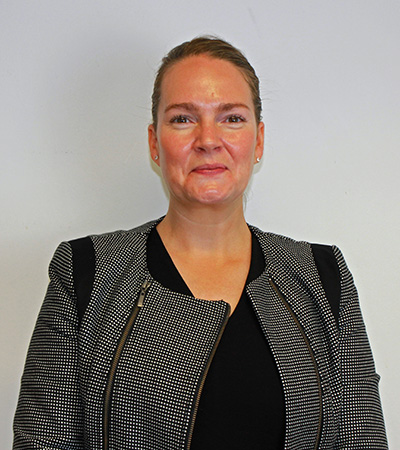
Thank you for visiting our website, and I am delighted to welcome you to North Oxfordshire Academy. We are part of a group of academies, primaries, and independent schools called United Learning. The United Learning motto is 'The Best in Everyone', and we wholeheartedly subscribe to this philosophy. I know what a truly amazing experience it is to be part of the North Oxfordshire Academy community; I am lucky enough to have worked at NOA since 2011 and have seen first-hand how our community has transformed lives . I am very proud of our school and, most importantly, of the students and staff with whom we have the pleasure of spending each day.
North Oxfordshire Academy exists to provide our students and families with the very best life chances in Oxfordshire. Our vision is for North Oxfordshire Academy to be a place where students receive a world class education in character and academics so that students are happy and fulfilled. Our values of respect, ambition and determination support us all to develop into thoughtful and confident citizens.
North Oxfordshire Academy was visited by Ofsted in November 2022. Ofsted noted:
- North Oxfordshire Academy (NOA) is a caring and inclusive school. Staff know the pupils well. Pupils receive a good all-round education. Leaders are determined that pupils will achieve their best.
- The school’s curriculum is ambitious. Leaders have considered it in the context of their pupils’ aspirations.
- The school’s culture is highly inclusive. All pupils are considered part of the ‘NOA family’.
- Staff care that all pupils are happy and successful in all aspects of school life. Safeguarding is a strength of the school.
North Oxfordshire Academy is a place where students work hard to achieve their dreams. We believe that high quality academic outcomes are important, but our young people are so much more than grades. We develop character so our students become respectful, ambitious and determined members of our community. We expect every member of the NOA community to work hard to pursue their dreams; relentless hard work builds character.
We hope that you find what you are looking for on this website. If not, please do contact us for further information. We welcome visits during the school day, and I would love the opportunity to show you around our great school.
|
Warm Wishes
Mrs Ellie Jacobs
Principal
|
 |